
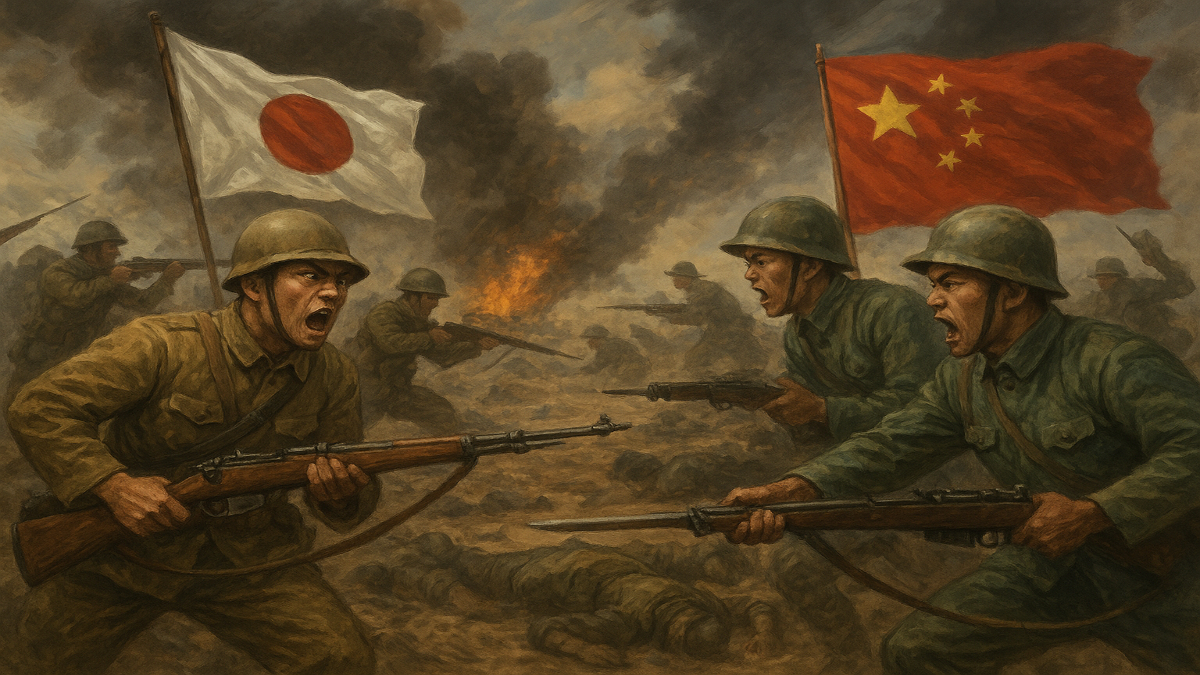
Introduction: A War That Could Break Modern Technology
Wars in the modern era are no longer fought only with soldiers and weapons.
They are fought with factories, chips, supply chains, and technological dominance.
A potential China vs Japan war would not remain a regional conflict. It could become one of the most destructive events in the history of global technology.
From the smartphone in your pocket to artificial intelligence, electric vehicles, internet infrastructure, and future innovations — everything depends on China and Japan working, not fighting.
This article explains the China vs Japan war technology impact in deep detail, using simple language and real-world examples, so anyone can understand why this conflict would change digital life forever.
Why China and Japan Control the World’s Technology
To understand the damage, you must first understand why these two countries matter so much.
🇨🇳 China: The World’s Technology Factory

China is the backbone of global manufacturing:
- Smartphone assembly (Apple, Xiaomi, Oppo, Vivo)
- Electronics production (TVs, laptops, routers)
- Battery manufacturing and lithium processing
- Rare earth materials used in chips and EVs
Without China, mass production stops.
🇯🇵 Japan: The Hidden Tech Superpower

Japan controls what most people never see:
- Semiconductor materials and chip-making equipment
- Camera sensors (Sony dominates smartphone cameras)
- Precision robotics and automation
- Hybrid and electric vehicle technology (Toyota, Honda)
Without Japan, advanced technology cannot be built.
👉 Together, China and Japan form the spine of modern technology.
A war between them would break it.
1. Smartphone Prices Would Skyrocket 📱
Almost every smartphone depends on:
- Chinese factories for assembly
- Japanese components for cameras, displays, and chips
If war breaks out:
- Factories shut down
- Exports stop
- Shipping routes become unsafe
The result:
- iPhone, Samsung, Xiaomi prices increase by 20–40%
- Budget phones disappear
- New model launches are delayed worldwide
Even mid-range phones could feel like luxury products.
2. Semiconductor Crisis: The Heart of All Technology 💾
Semiconductors power everything:
- Smartphones
- AI servers
- Gaming consoles
- Cars
- Internet infrastructure
Japan supplies:
- Chip-making chemicals
- Advanced manufacturing tools
China handles:
- Large-scale chip assembly
War impact:
- Severe chip shortages
- Higher costs for CPUs, GPUs, and AI accelerators
- Slower production across industries
This would create a global semiconductor crisis worse than COVID-era shortages.
3. Artificial Intelligence Progress Would Slow Down 🤖
AI is not just software — it depends on hardware.
With fewer chips:
- AI training becomes expensive
- Cloud AI services raise prices
- Startups struggle to innovate
Even tools like:
- AI image generation
- Video editing
- Chatbots
- Recommendation algorithms
would slow down or become costly.
The AI boom could pause for years.
4. Camera Technology Takes a Massive Hit 📸
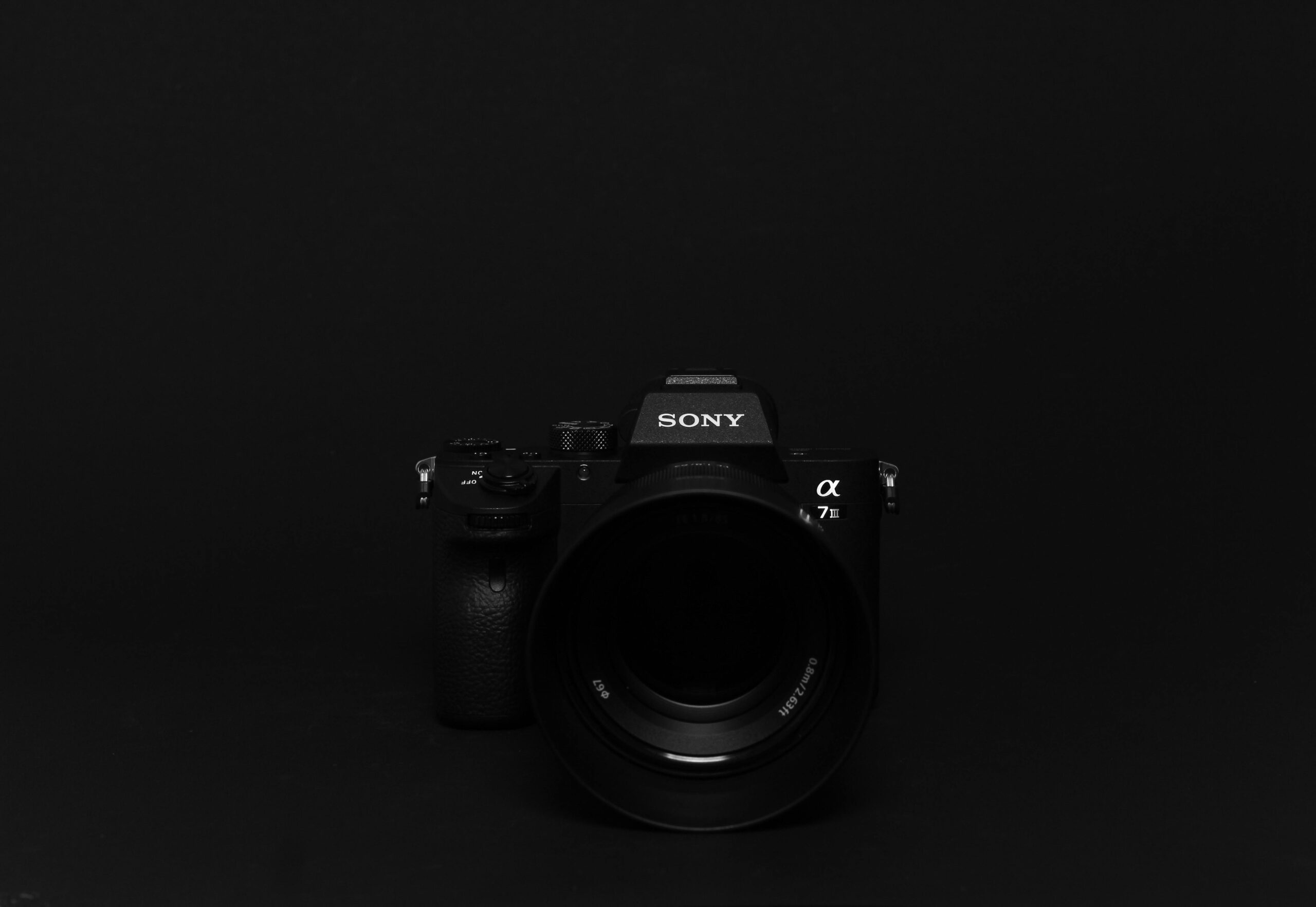
Japan dominates imaging technology.
Key companies:
If supply is disrupted:
- Smartphone camera upgrades stop
- DSLR and mirrorless cameras become rare
- Prices increase sharply
🎥 YouTubers, filmmakers, and content creators would suffer the most.
5. Electric Vehicles and Battery Chaos 🚗⚡
China controls:
- Lithium processing
- Battery manufacturing
Japan leads:
- Hybrid systems
- EV efficiency technology
War consequences:
- EV production delays
- Battery prices rise
- Slower transition to clean energy
Tesla, BYD, Toyota — all major EV players would be affected.
6. Internet, 5G, and Future Technology Slow Down 🌐
Future technologies depend on stability:
- 5G and upcoming 6G networks
- Robotics and automation
- Smart cities
- Space technology
War causes:
- Research funding cuts
- Delayed rollouts
- Companies avoid risky innovation
⏳ The world could lose 5–10 years of tech progress.
7. Global Stock Market and Tech Jobs Crash 📉
Technology markets react instantly to geopolitical tension.
Possible outcomes:
- Tech stocks crash
- Startup funding freezes
- Mass layoffs across the tech industry
Developers, engineers, designers, and creators face uncertainty.
8. Impact on Countries Like Nepal 🇳🇵
For import-dependent countries:
- Smartphones become expensive
- Laptops and accessories arrive late
- Repair parts become hard to find
Even basic electronics could feel like luxury items.
Is There Any Positive Side?
Very limited.
Some manufacturing may shift to:
- India
- Vietnam
- Indonesia
But:
- These countries cannot replace China and Japan quickly
- Short-term damage would still be severe
Final Takeaway: Why This War Matters to Everyone
A China vs Japan war would be more than a geopolitical crisis.
It would be a global technology disaster.
In simple terms:
- 📱 Electronics become expensive
- 💾 Chips become scarce
- 🤖 AI innovation slows
- 🚗 EV progress stalls
- 🌍 The digital world moves backward
Understanding the China vs Japan war technology impact is essential in a world where technology shapes daily life.
Phadera.com will continue to explain how global events affect real-world technology — clearly, honestly, and ahead of the curve.
FAQ
What happens to technology if China and Japan go to war?
A China–Japan war would disrupt global supply chains, semiconductor production, AI development, and electronics pricing worldwide.
Will smartphones become more expensive after a China vs Japan conflict?
Yes. Most smartphones rely on Chinese assembly and Japanese components, which could increase prices by 20–40%.
How would a China–Japan war affect artificial intelligence?
AI relies on advanced chips and servers. A war would create shortages and raise costs, slowing global AI innovation.
Which countries suffer the most from tech shortages?
Import-dependent countries like Nepal, India, and other developing nations would face higher prices and delayed access to new devices.
Can other countries replace China and Japan in technology manufacturing?
No. Replacing their combined scale and expertise would take many years.