
Smartphones today feel powerful, expensive, and short-lived. But the history of mobile phones tells a very different story. Some phones didn’t just succeed — they changed the world, reached every corner of the planet, and sold in numbers that modern flagships can only dream of.
This post exploresthe best-selling cell phones of all time, why they became global hits, and what lessons they still teach us in 2025.
Table of Contents
Why Best-Selling Phones Matter
Best-selling phones are not always the most advanced. They are the phones that:
- Solved real problems
- Were affordable and reliable
- Arrived at the perfect time
- Earned trust across generations
From Nokia’s indestructible feature phones to Apple’s smartphone revolution, this list is a journey through mobile history.
Top 10 Best-Selling Cell Phones of All Time
1. Nokia 1100 — Over 250 Million Units Sold
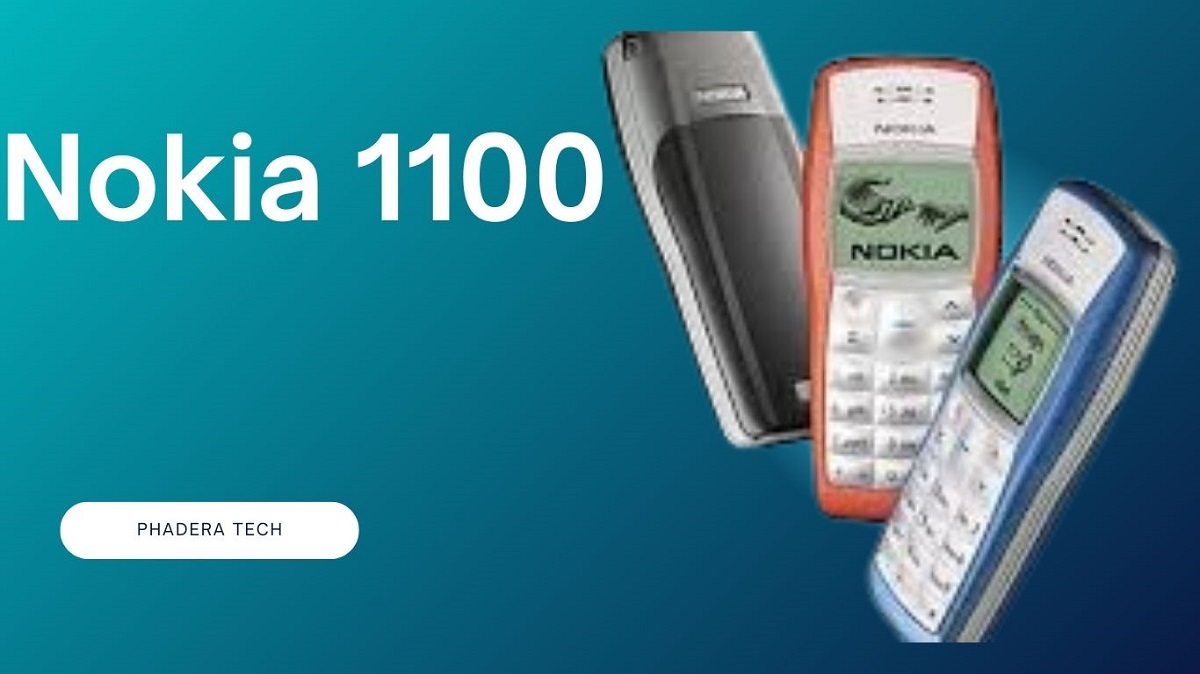
Launch Year: 2003
Type: Feature Phone
The Nokia 1100 is the undisputed king of mobile sales. It wasn’t smart, stylish, or fast — but it was nearly unbreakable.
Why it succeeded:
- Incredible battery life
- Dust-resistant keypad
- Affordable for developing markets
- Simple call & SMS focus
For millions of people, the Nokia 1100 was their first phone ever.
2. Nokia 1110 — 248 Million Units Sold
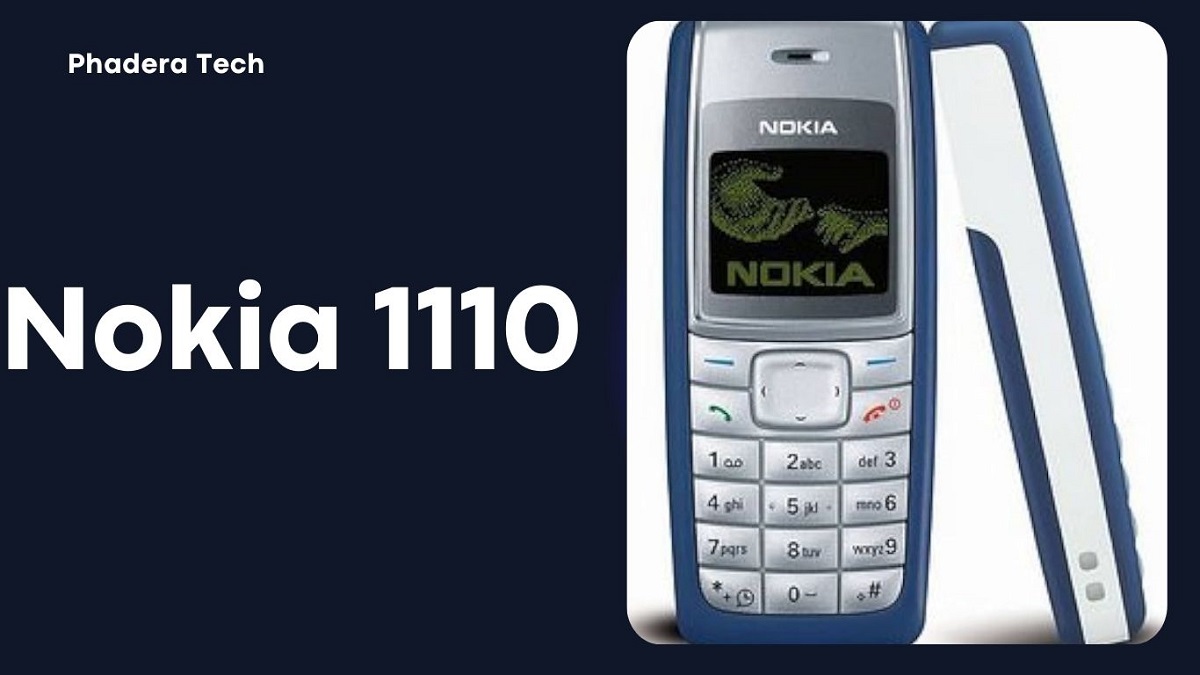
Launch Year: 2005
Building on the success of the 1100, the Nokia 1110 refined the formula. It offered better menus, improved design, and the same legendary durability.
This phone dominated rural and urban markets alike, especially in Asia and Africa.
3. Apple iPhone 6 & 6 Plus — 222 Million Units Sold
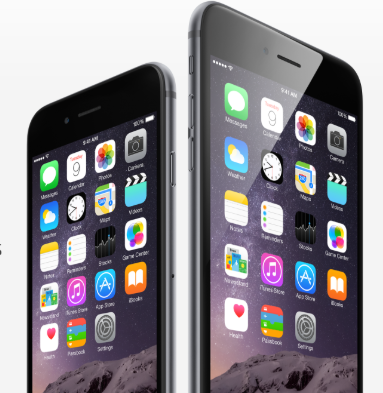
Launch Year: 2014
Type: Smartphone
The iPhone 6 marked Apple’s full embrace of larger screens — and consumers loved it.
Why it exploded in sales:
- Bigger display than previous iPhones
- Premium design
- Strong ecosystem (App Store, iCloud)
- Massive carrier support
This was the iPhone that truly went mainstream worldwide.
4. Nokia 105 (All Variants) — 200+ Million Units Sold
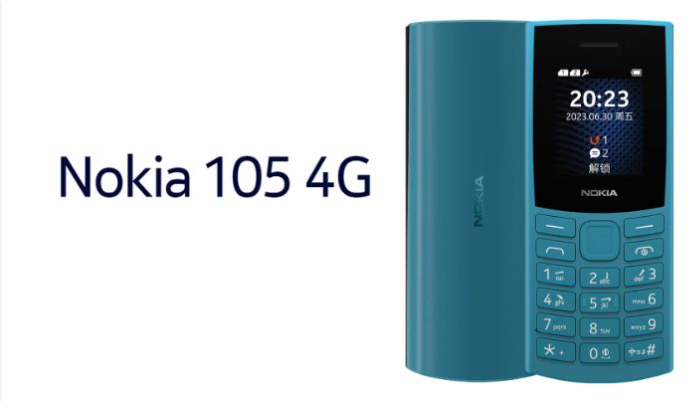
Launch Year: 2013
Even in the smartphone era, Nokia proved that feature phones (cell phones) still matter. The Nokia 105 became a favorite backup phone and a first phone for millions.
Low cost, strong signal, and long battery life made it unbeatable in its segment.
5. Apple iPhone 6s & 6s Plus — 174 Million Units Sold
The iPhone 6s fixed many flaws of the iPhone 6 and introduced 3D Touch, faster performance, and a stronger build.
For many users, this was the iPhone they kept for years — a rare achievement.
6. Samsung E1100 — 150 Million Units Sold
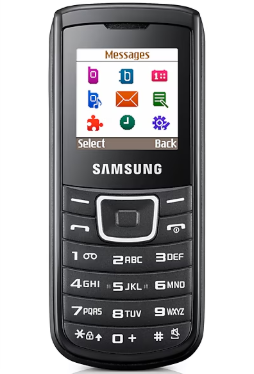
Launch Year: 2009
Samsung quietly built one of the best-selling phones ever with the E1100. It focused purely on calling and texting, with extreme battery efficiency.
This phone helped Samsung expand aggressively into emerging markets.
7. Apple iPhone 5s — 165 Million Units Sold
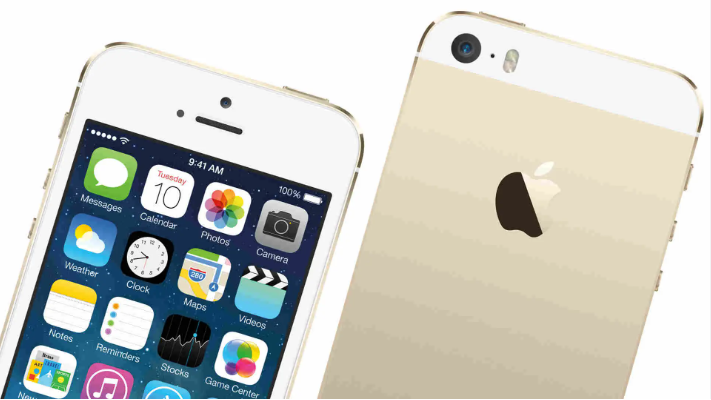
The iPhone 5s introduced Touch ID, changing smartphone security forever.
It also featured Apple’s first 64-bit processor, making it years ahead of competitors.
8. Nokia 3210 — 160 Million Units Sold
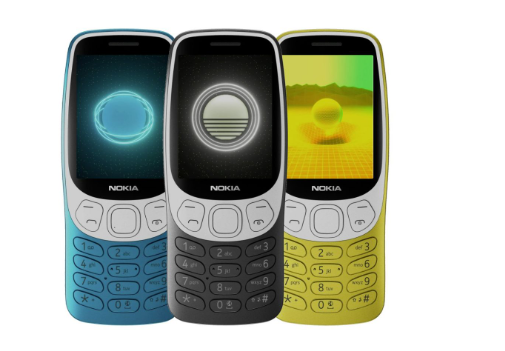
Launch Year: 1999
The Nokia 3210 defined an era.
- Internal antenna
- Custom ringtones
- Legendary Snake game
It wasn’t just a phone — it was a cultural icon.
9. Apple iPhone 7 & 7 Plus — 159 Million Units Sold
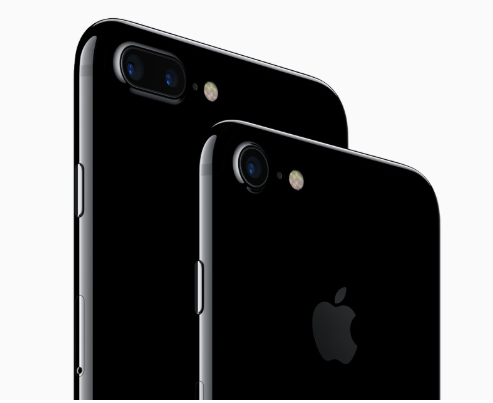
Despite controversy around removing the headphone jack, the iPhone 7 sold massively.
It offered better cameras, water resistance, and strong performance that aged well.
10. Nokia 6600 — 150 Million Units Sold
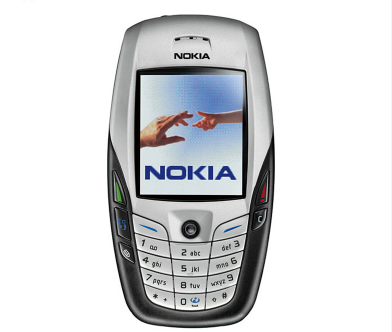
One of the earliest “smartphones,” the Nokia 6600 introduced app installation and multimedia features to a wide audience.
It proved that people were ready for smarter phones — long before Android or iOS.
Comparison Table: Best-Selling Phones Ever
🏆 All-Time Best Selling Phones
Feature Phones vs Smartphones: A Reality Check
One surprising insight is that feature phones dominate the top of this list.
Why?
- Longer product life cycles
- Lower prices
- Massive populations entering mobile connectivity
Smartphones earn more money, but feature phones reached more people.
Can Any Phone Break These Records in 2025?
Realistically, it’s very difficult.
Modern phones:
- Cost more
- Have shorter replacement cycles
- Face intense competition
Even today’s best-selling iPhones sell in tens of millions, not hundreds.
The era of ultra-mass-market phones may be over.
Final Thoughts
The best-selling cell phones of all time succeeded not because they were perfect — but because they were right for their time.
They connected families, enabled businesses, and introduced billions to technology.
In a world obsessed with specs and benchmarks, these phones remind us of one truth:
Technology wins when it serves people, not the other way around.
This post is part of our smartphone history and market analysis series on phadera.com.

Dal Bahadur is a passionate tech enthusiast, hardware reviewer, and the founder of Phadera Tech. With years of experience in mobile technology and digital troubleshooting, he specializes in deep-dive smartphone reviews, gadget guides, and practical tech tips. His goal is to help readers make informed decisions before buying their next gadget.