

Introduction
In 2025, Tesla’s first smartphone is shaking the tech world. But can it dethrone Sony’s Xperia 1 VII — the king of mobile photography and display clarity? The smartphone market is buzzing with excitement as two standout contenders emerge: Tesla’s much-anticipated Pi Phone and Sony’s acclaimed Xperia 1 VII flagship. Known for revolutionary innovations in electric vehicles and space tech, Tesla is rumored to bring futuristic features like Starlink satellite internet and solar charging to smartphones. Meanwhile, Sony continues to impress with its pro-grade camera technology and stunning 4K OLED display.
Every year, a few smartphones get hyped as “the future.” By 2026, the conversation around the Tesla Pi Phone and the Sony Xperia 1 VII still feels surprisingly relevant—but for very different reasons.
One promises innovation that sounds almost unreal.
The other quietly delivers what power users actually want.
This article dives deep into a comprehensive comparison of Tesla Pi Phone and Sony Xperia 1 VII — exploring specs, price, design, camera, battery, connectivity, So which one really deserves your money in 2026? Let’s talk honestly.
Tesla Pi Phone in 2026: Big Ideas, Big Questions
The Tesla Pi Phone is still one of the most talked-about devices online—and not because everyone is using it.
What keeps people interested is the idea behind it.
Satellite connectivity through Starlink, deep Tesla ecosystem integration, and even solar-assisted charging sound exciting. In 2026, some of these features are more real than before, but availability and real-world usability still depend heavily on region.
This phone feels less like a traditional flagship and more like a technology experiment. That’s not necessarily a bad thing—but it does mean compromises.
If you love early-stage innovation and don’t mind uncertainty, Tesla Pi is fascinating.
If you want reliability, it may feel risky.
Key Rumored Specs:
| Specification | Details |
|---|---|
| Release Date | Early 2025 (rumored) |
| Price | Around $237 |
| Display | AMOLED/OLED, size unknown |
| Processor | Tesla custom chipset (unconfirmed) |
| OS | Custom Android-based with Tesla AI |
| Connectivity | 5G + Starlink satellite internet |
| Charging | Solar charging + wired fast charging |
| Special Features | Neuralink compatibility (rumored), AI integration |
What Makes the Pi Unique?
- Starlink Satellite Internet: Real-time satellite connectivity could eliminate dead zones.
- Solar Charging: Innovative solar panels to extend battery life.
- Neuralink Integration: Speculated to support brain-machine interface tech.
- Tesla Ecosystem: Seamless integration with Tesla cars and products.
Sony Xperia 1 VII in 2026: Quietly Still Excellent
Overview
Sony’s Xperia 1 VII stands out with its 6.5-inch 4K OLED display and professional-grade ZEISS optics camera system, making it a favorite among photographers, videographers, and multimedia enthusiasts.
Sony doesn’t shout. It rarely trends on social media.
But in 2026, the Xperia 1 VII is still doing what it always did best—delivering premium quality without drama.
The 4K OLED display remains one of the sharpest screens you can get on a smartphone. The camera system, powered by ZEISS optics and Sony’s imaging expertise, continues to appeal to photographers and videographers who care about control, not filters.
With ongoing software updates and stable performance, Xperia 1 VII feels less exciting on paper—but far more satisfying in daily use.
Key Specs:
| Specification | Details |
|---|---|
| Release Date | 2025 |
| Price | Approx. $1399 |
| Display | 6.5″ 4K OLED, 120Hz refresh rate |
| Processor | Qualcomm Snapdragon latest Gen |
| OS | Android 14 with Sony UI |
| Connectivity | 5G, Wi-Fi 6E |
| Charging | Wired fast + wireless charging |
| Camera | Triple-lens with ZEISS optics |
Sony’s Highlights:
- CinemaWide 4K HDR display for stunning visuals
- ZEISS optics with real-time Eye AF for humans and animals
- Pro video tools with manual controls and 4K 120fps slow-motion
- Superior audio quality and Dolby Atmos support
Design & Build Quality
Display: One Is Proven, One Is Promising
Sony’s 6.5-inch 4K OLED display still looks stunning in 2026. Colors are accurate, motion is smooth, and watching movies or editing photos feels professional.
Tesla Pi’s display is decent, but not its main strength. It works well—but it doesn’t redefine anything.
If display quality matters to you, Sony wins without a debate.
- Tesla Pi: Likely futuristic and minimalist design inspired by Tesla vehicles, possibly with sustainable materials. Details are limited.
- Sony Xperia 1 VII: Premium glass and metal build, IP68 water/dust resistance, ergonomic for one-hand use.
Display Comparison
| Feature | Tesla Pi Phone (Expected) | Sony Xperia 1 VII |
|---|---|---|
| Screen Size | Unknown, AMOLED | 6.5” 4K OLED, 120Hz |
| Resolution | Unknown | 3840 x 1644 pixels |
| Refresh Rate | Unknown | 120Hz |
| Special Features | Possibly solar power utilization | HDR10, CinemaWide, Dolby Vision |
Sony offers a sharper, more color-accurate display optimized for multimedia and creative work.
Camera: Real Results vs Big Unknowns
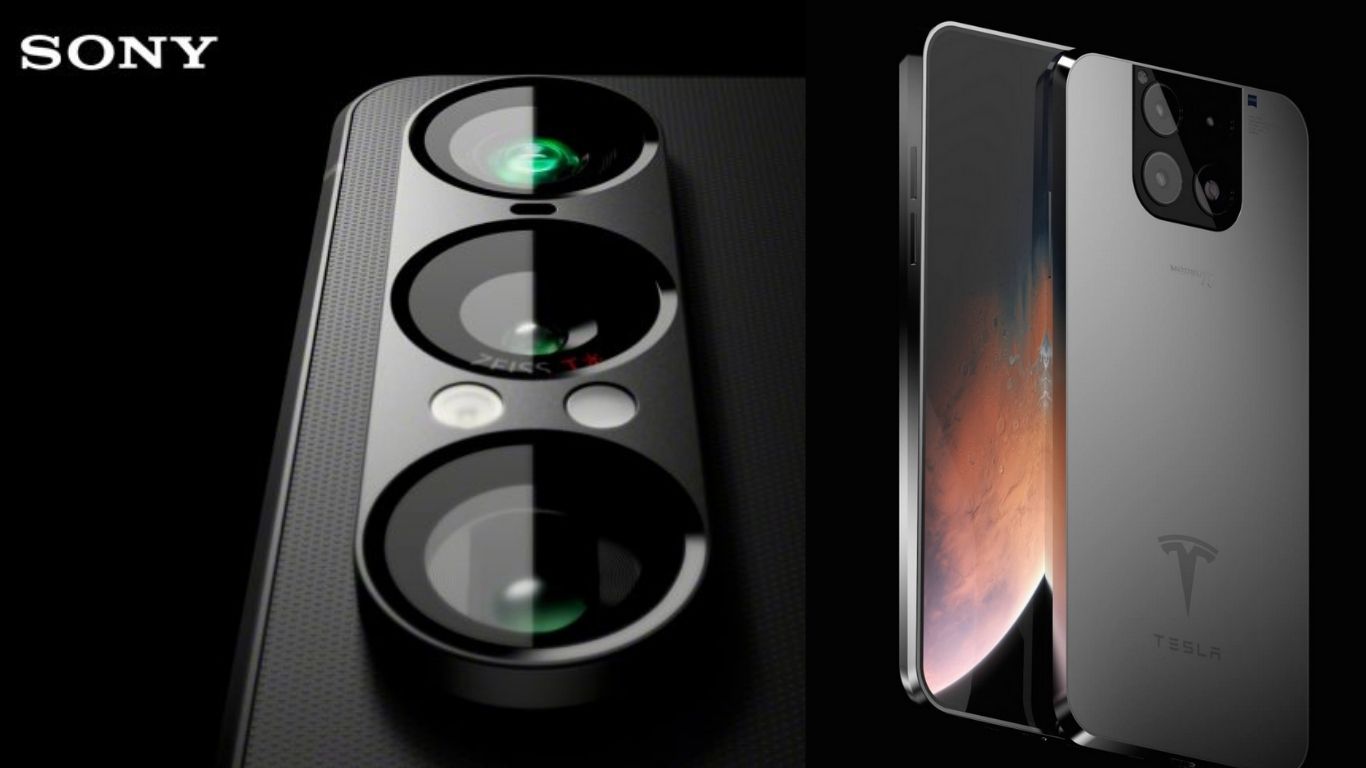
This is where the difference becomes very clear.
Sony Xperia 1 VII produces consistent, natural photos and gives users manual control that feels closer to a real camera. It’s built for people who know what they’re doing—or want to learn.
Tesla Pi’s camera performance, on the other hand, is still not its selling point. While usable, it doesn’t compete with Sony’s imaging expertise.
For photography and video in 2026, Sony is the safer—and better—choice.
Performance & Software
Tesla will likely launch a custom Android-based OS with AI features to integrate its smartphone into the Tesla ecosystem. Sony Xperia 1 VII runs on Android 14 with a clean Sony UI optimized for creators.
Sony sticks to a clean Android experience. Apps load fast, gaming is smooth, and updates feel predictable.
Tesla Pi focuses more on ecosystem features than raw performance. If you already use Tesla services, this might feel appealing. But as a standalone smartphone, it doesn’t always feel polished.
Sony feels like a finished product. Tesla feels like a work in progress.

Connectivity & Innovations
This is Tesla Pi’s strongest area.
Satellite connectivity can genuinely be useful in emergencies or remote areas. For travelers or outdoor users, that’s a real advantage.
Sony doesn’t compete here—but it doesn’t need to. Its strength lies elsewhere.
| Feature | Tesla Pi Phone | Sony Xperia 1 VII |
|---|---|---|
| Cellular Network | 5G + Starlink satellite support | 5G, Wi-Fi 6E |
| Unique Connectivity | Starlink satellite internet | Standard 5G + Wi-Fi 6E |
Tesla’s satellite internet support offers a significant edge for users in remote or rural areas.
Battery & Charging
Sony Xperia 1 VII offers reliable all-day battery life. Nothing flashy, just dependable.
Tesla Pi’s solar-assisted charging sounds impressive, but in real life it’s more of a backup feature than something you’ll rely on daily.
- Tesla Pi: Solar-powered charging plus wired fast charging could revolutionize battery life.
- Sony Xperia 1 VII: Supports wired fast charging and wireless charging but no solar tech.
Price & Value
| Device | Price Approximate |
|---|---|
| Tesla Pi Phone | $237 |
| Sony Xperia 1 VII | $1399 |
Tesla’s budget price makes it accessible to a broader audience, while Sony targets premium users willing to pay for top performance.
Final Verdict: Which One Should You Buy in 2026?
If we’re being honest:
- Buy the Sony Xperia 1 VII if you care about camera quality, display, reliability, and long-term usability.
- Buy the Tesla Pi Phone if you love futuristic ideas, satellite tech, and being part of something experimental.
Overall Winner for Most People in 2026:
🏆 Sony Xperia 1 VII
It may not feel futuristic—but it feels finished. And in real life, that matters more.
- Choose Tesla Pi Phone if:
- You want a futuristic device with satellite internet
- You prioritize innovation and affordability
- You’re a Tesla ecosystem fan
- Choose Sony Xperia 1 VII if:
- You want the best camera and display technology
- You’re a creative professional or multimedia enthusiast
- You prefer a polished Android experience
📱 Tesla Pi Phone – Expected Price (2025)
| Region | Expected Price (USD Equivalent) |
|---|---|
| 🇺🇸 USA | $999 – $1,199 |
| 🇪🇺 Europe | €1,099 – €1,299 |
| 🇯🇵 Japan | ¥140,000 – ¥160,000 |
| 🇮🇳 South Asia (India) | ₹89,000 – ₹99,000 |
| 🇳🇵 Nepal | NPR 145,000 – NPR 160,000 |
Note: The Pi Phone is not officially announced yet, so prices are based on spec leaks and market predictions.
📷 Sony Xperia 1 VII – Official / Expected Price (2025)
| Region | Price (USD Equivalent) |
|---|---|
| 🇺🇸 USA | $1,299 |
| 🇪🇺 Europe | €1,399 |
| 🇯🇵 Japan | ¥170,000 |
| 🇮🇳 South Asia (India) | ₹1,09,999 |
| 🇳🇵 Nepal | NPR 185,000 – NPR 195,000 |
Pricing in 2026: Value vs Premium
By 2026, prices tell an interesting story.
Sony remains expensive, but you know exactly what you’re paying for.
Tesla Pi is slightly cheaper, but part of that price goes toward features you may never fully use.
Sometimes, value isn’t about being cheaper—it’s about being complete.
Source: Based on Sony’s flagship pricing trend & Xperia 1 VI/1 V launch pricing.
Quick FAQ
Is Tesla Pi worth buying in 2026?
It can be, if you value innovation and don’t mind limitations.
Is Sony Xperia 1 VII still relevant in 2026?
Absolutely. It ages better than most flagships.
Which phone has a better camera?
Sony Xperia 1 VII, without question.
Is satellite internet on phones useful?
Yes, but only in specific situations.
Pingback: Huawei Pura 80 Ultra Review 2025: Dual Telephoto Camera & Powerful Zoom - Phadera Tech
Pingback: What If Sony and Nokia Make a Bold Comeback in the Smartphone Market - Phadera Tech